
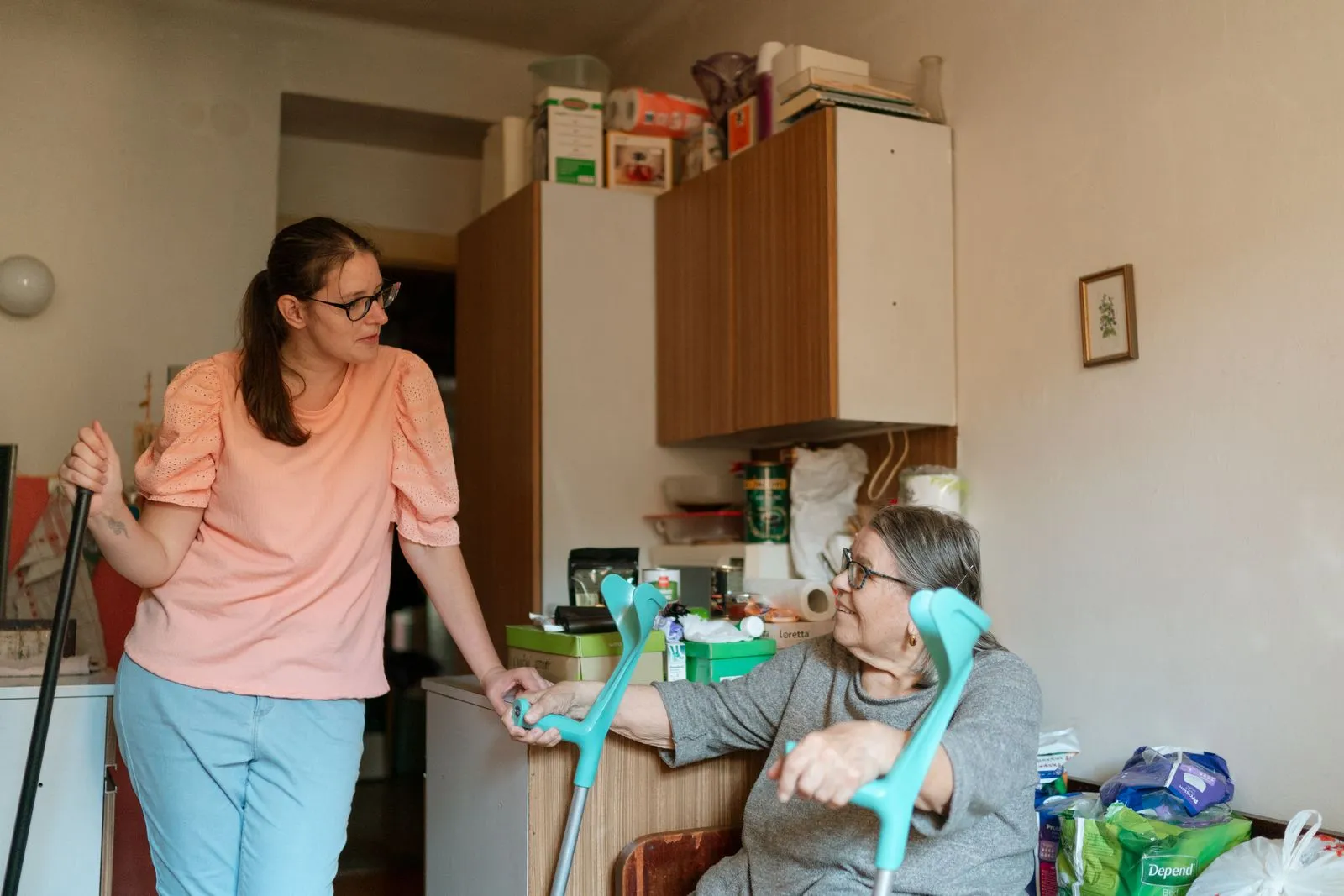
A live-in caregiver will share your home while helping with daily care, so preparation matters for everyone’s comfort. Before care begins, talk through the routines that make the day work, set up a private and comfortable place for the caregiver to rest, and agree on household expectations. These steps can reduce uncertainty and help you spot practical issues early. A written plan is useful, but an open conversation gives both sides a chance to ask questions and clarify what support will look like.
Discuss Daily Routines
Walk through a typical day together, from waking and meals to bedtime. Note preferred meal times, personal care routines, activities, appointments, and the person’s usual sleep schedule. Explain what the person likes to do independently and where they may need help. Include details that can affect care, such as mobility needs, food preferences, communication style, and how the person responds when plans change.
Share a written list of medications, allergies, emergency contacts, and relevant care instructions, then explain where current information is kept. Clarify who handles medication reminders or other health-related tasks, and confirm any duties that require specific training or approval. Agree on how the caregiver should contact family members if a concern comes up. Keep the plan easy to update as needs and preferences change.
Prepare a Private Room
Choose a room where the caregiver can sleep and keep personal belongings separate from shared household areas. Provide a comfortable bed, clean linens, storage space, and access to a bathroom. Discuss how the caregiver can get privacy during rest time and whether the room has a lock or another way to signal that they need quiet. A respectful personal space supports a more comfortable arrangement for everyone.
Check practical details before the first day. Make sure the room is clean, heated or cooled appropriately, and has working lights and outlets. Explain how to use household appliances, the thermostat, internet access, and any entry system. Show where to find basic supplies and how to safely access the home. If the caregiver will use a car or transit, discuss parking or local transportation arrangements in advance.
Set Household Expectations
Talk about which tasks are part of the care arrangement and which are not. Be specific about meal preparation, laundry, housekeeping, errands, and support for other household members or pets. Avoid assuming that a caregiver will take on extra duties without discussion. Confirm the agreed responsibilities with the care agency so the household and caregiver share the same understanding.
Agree on communication habits, visitor policies, use of shared spaces, and how to raise concerns. Discuss the caregiver’s schedule, breaks, time away from the home, and what coverage is needed during those periods. Live-in care does not mean a caregiver is available every hour, so make sure rest periods and backup plans are clear. Put key agreements in writing and revisit them if circumstances change.
Make a First-Day Plan
Set aside time to introduce the caregiver to the person receiving care and other household members. Give a tour that includes exits, first-aid supplies, emergency procedures, and the location of important documents. Demonstrate any equipment the caregiver may need to use, such as a mobility aid, and allow time for questions. If possible, review the routine together rather than expecting the caregiver to learn everything at once.
Keep the first days open to adjustments. Ask the person receiving care how the arrangement feels, and invite the caregiver to share any concerns about the routine or home setup. Use a notebook or agreed communication method to record changes, questions, and follow-up tasks. Harbour Home Care can help families clarify arrangements before care starts; contact the agency to discuss your household’s needs and next steps.
A thoughtful setup gives the caregiver the information, space, and boundaries needed to provide support with confidence. Start with a conversation, write down the agreed routine and responsibilities, and check that the room and home are ready before the first day. For help planning live-in care in Halifax, contact Harbour Home Care to discuss your situation.